
Choosing between water-based and silicone lube involves more than personal preference. Durability, toy compatibility, condom safety, cleanup, and vaginal health all matter. This guide compares each factor so choosing the right lubricant feels straightforward.
Water-based vs. silicone lube at a glance
Both lubricant types have clear benefits, but they behave differently on skin and during use. The difference begins with the base: water-based formulas closely resemble natural lubrication, while silicone-based products create a durable, waterproof layer that does not absorb into tissue. Neither option is best in every situation; the ideal choice depends on comfort, activity, and compatibility.
Feel and staying power
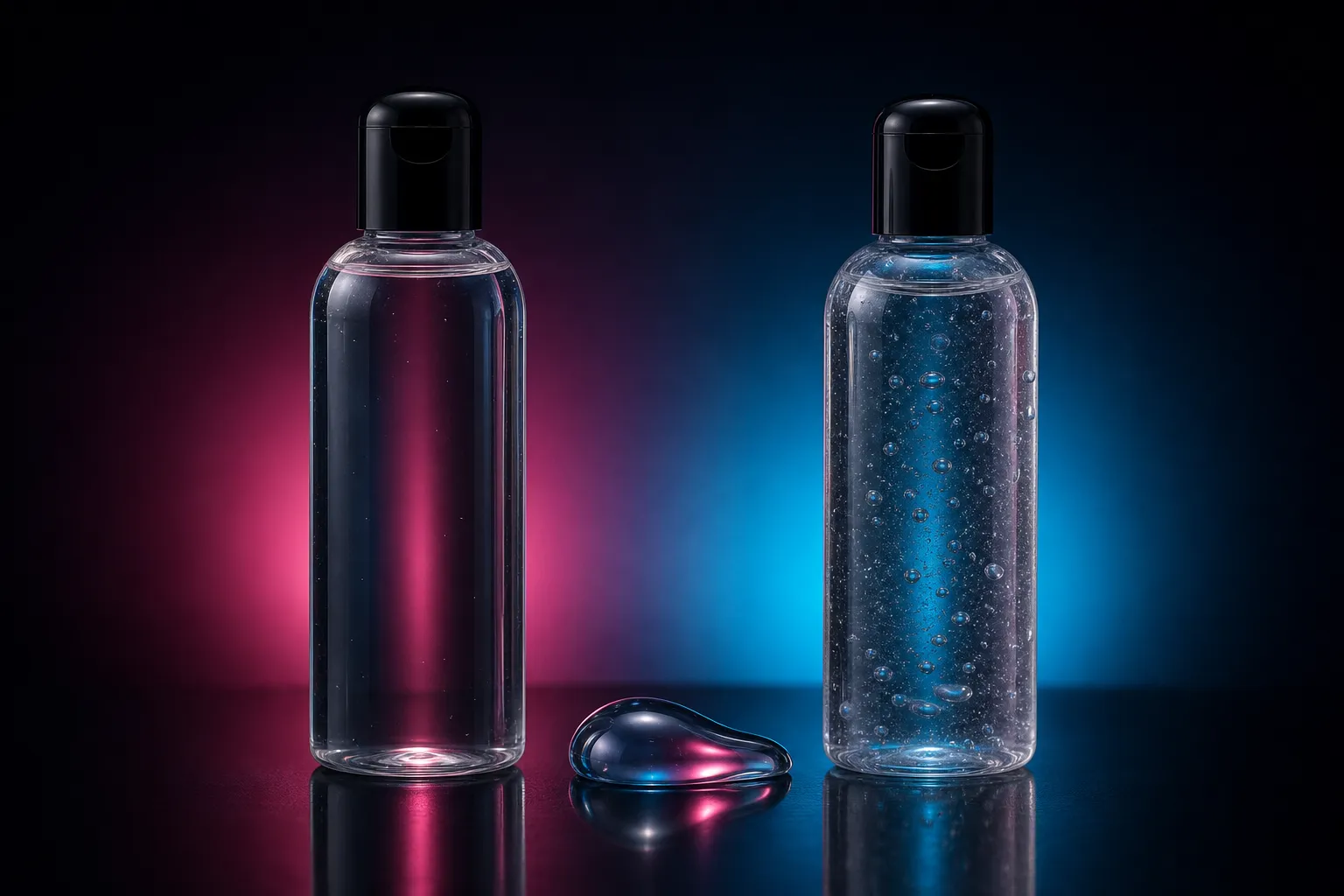
The contrast between water-based and silicone lube is easy to notice. Water-based formulas feel light, wet, and close to natural lubrication, while silicone-based products provide a smooth, silky glide without becoming sticky as quickly. Because silicone does not evaporate or absorb into the skin, a small amount can maintain comfort through heat and friction without frequent reapplication. Water-based lube may thin out over time, especially during longer sessions, and may need to be reapplied.
- Water-based texture Lightweight and nearly invisible after application, it feels natural and wet. It is ideal for anyone who prefers a sensation similar to the body’s own lubrication.
- Silicone texture Ultra-slick and slow-drying, it stays smooth during extended activity and resists friction buildup, making it the longer-lasting option.
- Reapplication need Water-based formulas may need several applications during prolonged sessions. Silicone formulas usually need less, because they resist evaporation.
The choice of feeling matters as much as longevity. People who find silicone too glossy often prefer water-based lube for everyday intimacy, while those seeking uninterrupted glide during extended sessions or water play may prefer silicone. Both types can work for sensitive skin when they are formulated without parabens, glycerin, or fragrances. In practice, check the ingredient list and test a small amount first if your skin or vaginal tissue is sensitive.
| Criterion | Water-based lube | Silicone-based lube |
|---|---|---|
| Texture | Light, natural, wet | Ultra-slick, silky, glossy |
| Longevity | Dries over time, needs reapplication | Long-lasting, resists evaporation |
| Water resistance | Washes away in water | Fully waterproof |
| Amount needed | Standard application | Small amounts go a long way |
Condom compatibility and safety
When choosing a water-based or silicone-based lubricant for a condom, compatibility is usually easy to assess, although some exceptions matter. Water-based formulas are compatible with latex, polyisoprene, polyurethane, and nitrile condoms, making them a versatile choice for safer sex. Silicone-based lubricants are generally safe with latex condoms and other rubber condoms, but the product label still deserves attention: JO Xtra Silky Thin Silicone lubricant is not compatible with polyurethane condoms.
Oil-based products belong to a separate category. They can weaken latex, so they should not be used with latex condoms. For that reason, a water-based or silicone-based lubricant is generally the safer route when condom protection is part of sexual health planning. Clean any remaining lube from toys and skin according to the product instructions, and remember that silicone lube may require soap and water rather than water alone.
Safety, toys, cleanup, and pH
Beyond feel and durability, three practical concerns guide everyday lubricant selection: toy-material compatibility, cleanup after sex, and effects on vaginal tissue health. Each matters when irritation is a concern or several accessories are used regularly.

Choose a toy-safe lubricant
Compatibility varies sharply by product type. Silicone-based lube can damage the surface of silicone toys because the two materials may react on contact. Water-based lube remains the safest default for silicone accessories.
Silicone lubricant is anhydrous and inert, so it does not alter vaginal pH or osmolality. Safe for glass, metal, and ABS plastic toys, it still warrants a quick review of the manufacturer's guidance before use.
- Water-based lube: Compatible with silicone, glass, rubber, plastic, metal, and ABS plastic, it is the most flexible choice for mixed toy collections.
- Silicone lube on silicone toys: Generally not recommended because it may degrade the toy’s surface. A polyisoprene condom over the toy can prevent direct contact and allow silicone lube use.
- Silicone lube on hard toys: Safe for glass, metal, and ABS plastic toys; these non-porous materials do not react with silicone-based formulas.
- Precision applicators: Many water-based lubes have nozzles for targeted application inside strokers and penetrable toys, offering a practical advantage over thicker silicone formulas.
For people who use silicone dilators or pelvic probes with a silicone lubricant, a polyisoprene condom creates a barrier between the product and the device. This workaround protects the tool without compromising the lubricant’s performance. When assembling a toy-and-lube kit, check the label’s compatibility notes, not only its base.
Water cleanup versus silicone residue
The differences in water-based lube vs silicone vs oil formulas become especially clear during cleanup: water-based products rinse away fastest, silicone requires more effort, and oil-based products can stain fabric or degrade latex. Water-based lube washes off skin with soap and water. Some formulas also work as daily moisturizers for delicate tissue.
Silicone lube is waterproof, so soap, thorough rinsing, and sometimes a towel are needed to remove its slippery residue. Placing a towel under the linens before a silicone-lube session remains a simple precaution.
Sensitive tissue and vaginal balance
Ingredients determine whether a lubricant supports or disrupts vaginal balance. Silicone lubricants are anhydrous and inert: their molecules are too large to penetrate tissue, and they do not alter vaginal pH or osmolality. High-quality formulas may also be made without preservatives, synthetic colors, paraffins, glycerin, or parabens.
A UCI Health study found that water-based lubricants safety study results showed no significant impact on the vaginal microbiome after four weeks. pH rose slightly after application but returned to baseline within about a day.
- pH and osmolality: For water-based lube, look for formulas balanced around pH 4.5 and low osmolality. High-osmolality products can draw moisture from vaginal tissue and cause irritation.
- Glycerin: This humectant can serve as a food source for microbes. Glycerin-free water-based options may suit people prone to yeast infections, since glycerin can disrupt vaginal balance.
- Ingredients to avoid: Review lube ingredients to avoid, including nonoxynol-9, propylene glycol, parabens, and added fragrances. These ingredients can contribute to vaginal inflammation or sensitization.
- Hypoallergenic silicone: Several silicone lubricant products are dermatologically tested, hypoallergenic, and non-irritating. Many are FDA-regulated and 510(k) certified, indicating tested safety and efficacy for consumer use.
For persistent vaginal dryness, a lubricant with a silicone base can relieve symptoms without interfering with pH. People with a history of yeast infections may prefer starting with a glycerin-free, paraben-free water-based formula. Resources such as potential Hazards of Lubricants for Vaginal Tissue provide additional clinical context for choosing a body-safe product.
Which lube fits your intimacy needs
Once safety and compatibility are clear, the choice depends on context: the type of activity, the toy being used, and the amount of cleanup you prefer. A well-stocked drawer may include both main types, each with a different base and feel.
When silicone works best
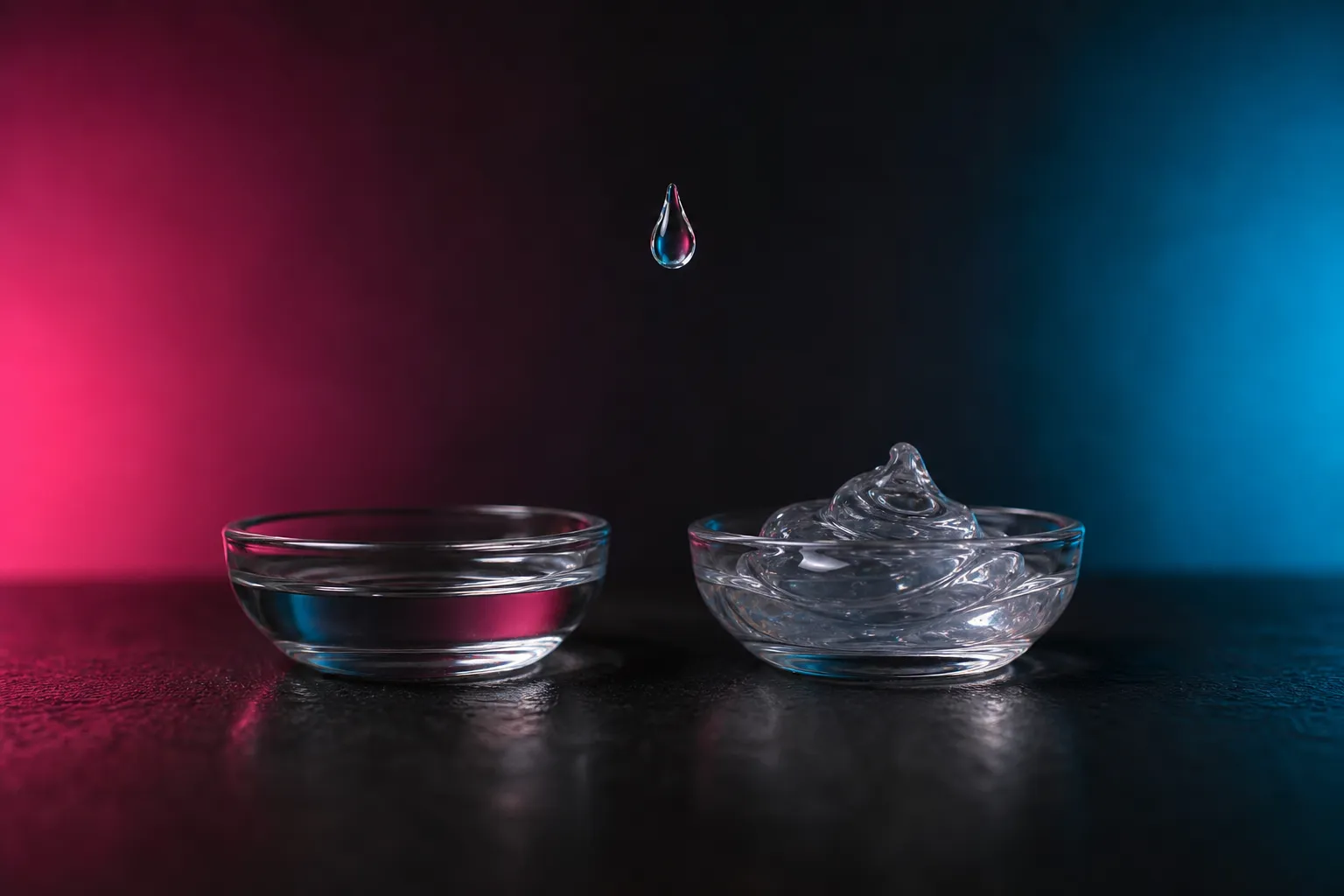
Silicone-based lube suits situations where longevity and uninterrupted glide matter most. Several silicone-based lubricant brands offer formulas without glycerin, propylene glycol, sulfates, dyes, fragrances, or parabens; some are also labeled vegan-friendly and hypoallergenic. Because silicone lube is waterproof, it works well for shower, bath, and hot-tub sex, where water can wash a water-based formula away. For anal sex, its lasting cushion reduces friction without requiring frequent reapplication.
- Extended sessions. Silicone lube stays slick through heat and friction without becoming tacky, so it can support longer or more active encounters.
- Water play. It resists evaporation and remains effective in showers, baths, and hot tubs, where water-based formulas may lose their glide.
- Anal use. Its lasting cushion and glide can make the difference in comfort during anal sex, particularly for people who have tried both types.
- Vaginal dryness. Silicone lubricant can relieve persistent dryness.
Browse silicone lubricant product listings to compare ingredient profiles, certifications, and material compatibility.
When water-based is the better fit
Water-based lube is ideal for people who use silicone toys, prefer quick cleanup, or want a texture close to natural lubrication. It is compatible with most toy materials, condom types, and skin types, which makes it a practical starting point for many users. Specialty formulas add variety: options with 100% natural edible flavorings suit oral sex, warming formulas heat on air contact, and cooling versions create a tingling sensation on the skin. For women experiencing menopause or allergies to standard lubricants, pH-balanced and glycerin-free formulas can offer a gentle, body-compatible alternative.
- Silicone toy users. Water-based lube is generally the safe option for silicone toys because it preserves the surface and provides smooth lubrication without the degradation risk associated with some silicone formulas.
- Easy cleanup priority. It usually rinses away with water alone and is less likely to stain fabric. After washing, the skin feels clean rather than slippery or oily.
- Sensitive skin and specialty needs. Odorless, glycerin-free, and paraben-free formulas may suit sensitive skin. Flavored, warming, or cooling versions add sensory variety that silicone formats do not typically provide.
Explore water based lubricant options to compare pH balance, glycerin-free formulas, precision applicators, and specialty sensations. For vaginal health, checking the label for osmolality guidance, when provided, adds another useful layer of care.
Hybrid and evidence-based alternatives
Hybrid lubricants combine water with silicone, typically around 15% medical-grade silicone. They offer longer-lasting lubrication than standard water-based lube while keeping a thinner consistency and easier cleanup than pure silicone. As a result, hybrid lubes suit users who need moderate endurance without the heaviness of pure silicone. Hybrid products are generally safe with latex condoms, although the label should confirm toy compatibility.
Clinical evidence supports water-based options in particular. A randomized open-label study of 174 women aged 18 to 65 with mild-to-moderate vaginal dryness found that five water-based lubricants each improved Female Sexual Function Index scores by at least four points after four weeks. Tolerance was good or very good, with no serious adverse events, and the lubricants did not significantly alter the vaginal microbiome.
Frequently Asked Questions
What are the main downsides of silicone-based lube?
Silicone-based lube should not be used directly on silicone toys because it can damage their surface. There is also a product-specific exception: JO Xtra Silky Thin Silicone is not compatible with polyurethane condoms, so check the label before use. Cleanup takes soap, warm water, and sometimes a towel; water alone will not remove the residue, which may leave oily spots on sheets. These limitations matter most for people who want quick cleanup or regularly use silicone toys rather than a water-based alternative.
Is silicone lube safe for sensitive skin and vaginal health?
Silicone lubricant molecules are too large to pass through skin or body linings, making them suitable for internal use. High-quality formulas are often dermatologically tested, hypoallergenic, and non-irritating, and many have FDA 510(k) certification. Because silicone is anhydrous and inert, it does not change vaginal pH or osmolality, unlike concerns associated specifically with some water-based products. People with a history of irritation or yeast infections may prefer starting with a glycerin-free, paraben-free water-based formula, while silicone can help manage persistent vaginal dryness.
Should I use water-based or silicone lube for anal sex?
Silicone-based lube is generally preferred for anal sex because the anal canal produces no natural lubrication. It provides a sustained, cushioning glide that water-based formulas may not maintain without reapplication, and it stays slick during extended activity instead of evaporating through friction. A thicker water-based gel remains a practical alternative for anyone using silicone anal toys and concerned about surface damage. In either case, use an appropriate condom with a compatible lubricant to support comfort, safety, and overall health throughout the session.